News Center



5 Major Events That Could Move Bitcoin Price: Crypto Week Ahead
 BTCNvidia EarningsBitcoin PriceAnthropic IPO





Thailand Arrests Two Chinese Nationals in Alleged $92M Crypto Scam
Thai immigration police arrested two Chinese nationals in Bangkok on November 12—a 52-year-old man and a 28-year-old woman—over an alleged crypto investment pyramid scheme that Chinese authorities say caused losses exceeding 3.2 billion baht (about $92 million). Changde police in China issued arrest warrants on December 18, 2025, and the Chinese Embassy in Thailand tipped off Thai immigration. Investigators tracked the pair to a condo in Bangkok's Rama IX area using travel and accommodation records. Thailand has revoked their residency permits and is coordinating their deportation to China. No verdict has been reached on their individual guilt.
21 hours ago
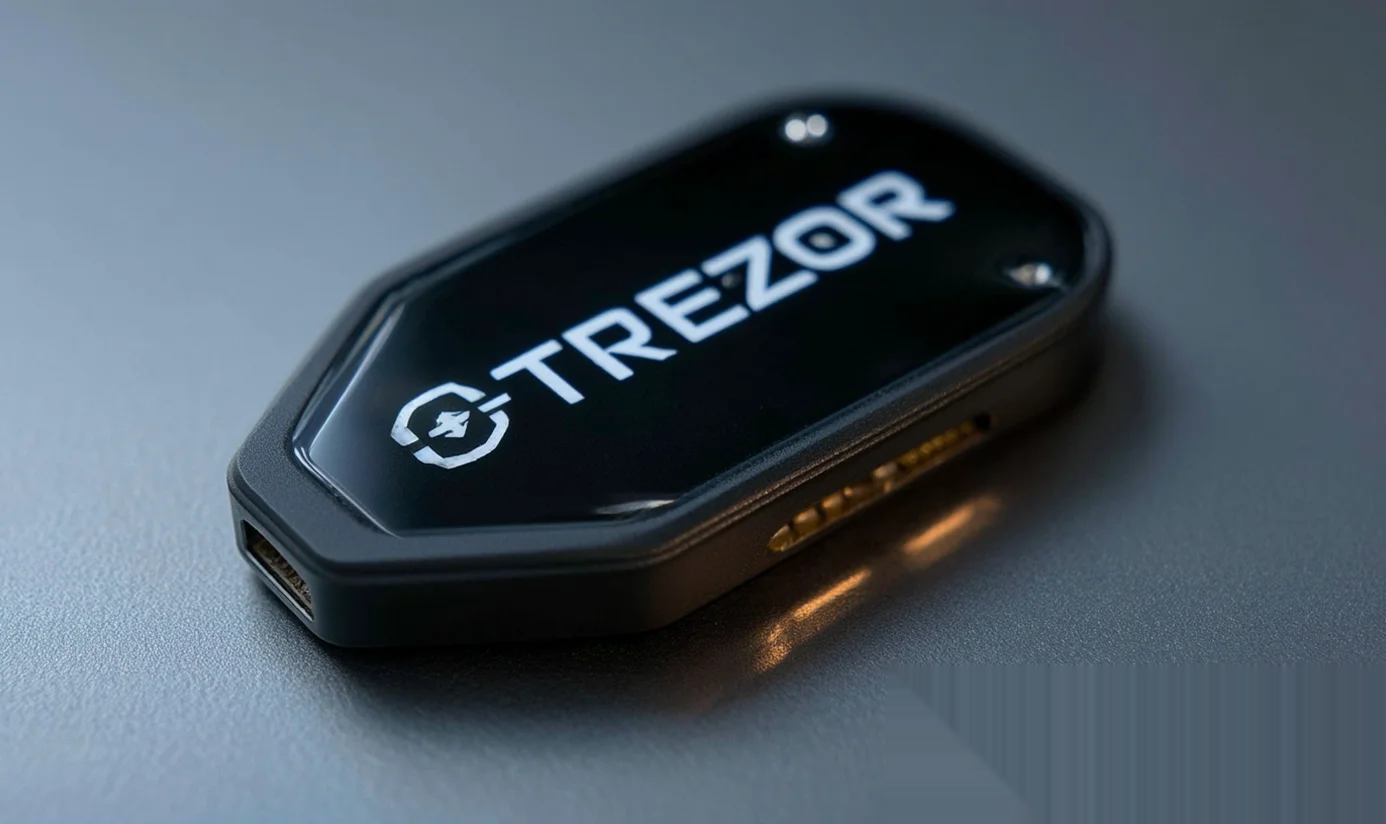
Trezor Slashes Reseller Network by 80% After Finding Wallet Implants
Hardware wallet maker Trezor discovered that three Safe 5 wallets sold by former reseller CryptoBilis had been fitted with hardware implants capable of eavesdropping on communication between the microcontroller and display to steal seed phrases. Trezor has released firmware 2.13.1 to block the implant and cut its reseller network by roughly 80%, imposing stricter procurement, storage, and access requirements on remaining partners. Because the implants may have captured recovery phrases before the firmware update, Trezor advises affected users to move funds to a new wallet with a fresh seed phrase. No user fund losses have been reported, and no similar implants have been confirmed beyond CryptoBilis.
2026-11-14
Apple's iOS 27.2.1 Update Leaves Crypto Wallet Security Flaw Unpatched
Apple's iOS 27.2.1 security update patched nine vulnerabilities, but researcher forcequitOS points out that the worse_query flaw remains unfixed. The bug allows malicious apps to bypass iOS sandbox restrictions and access private keys and seed phrases stored by crypto wallets. Binance has warned users to remove untrusted apps, update their devices, and move funds to a new wallet if they suspect credentials have been compromised. Apple's official security notes make no mention of the flaw, and the first beta of iOS 27.3 does not fix it either.
2026-11-11

After Bithumb, Hackers Target South Korea's Financial Security Agency
South Korea's Financial Security Institute (FSI) has been hit by a cyberattack that exposed around 300 personal records, mostly belonging to employees of financial institutions, along with documents from over 40 financial firms. The attackers impersonated Financial Supervisory Service (FSS) officials, exploited a temporary access page meant for when SMS authentication was unavailable to bypass verification, and used more than 100 IP addresses to evade detection. The FSI detected the intrusion on November 9 and shut down the affected systems, and regulators and police have launched an investigation. The incident follows a separate breach reported by crypto exchange Bithumb in October, and in November GOPAX also suspended trading and withdrawals over hacker threats.
2026-11-11

Crypto Debit Cards Expose Risks of Shared Payment Providers
This article examines the risks crypto debit cards face from relying on shared payment infrastructure. A Rain contract exploit stole about $1.1 million in stablecoin collateral used for card spending, though users' personal wallets and private keys were unaffected. MNEE App CEO Ron Tarter notes that brands depending on banking-as-a-service platforms have limited control over upstream parties like sponsor banks and processors, and sponsor banks can terminate programs at any time. The article also cites Kulipa's insolvency affecting roughly twenty wallet and fintech companies, and a $1.5 million loss from an attack on Gnosis Card's security system. It recommends that companies establish direct banking relationships and ensure customer records remain independently accessible.
 SOLshared payment infrastructurestablecoin collateralbanking-as-a-service
2026-11-10
Ledger CTO Warns Against Storing Crypto on iPhone
Ledger CTO Charles Guillemet is warning crypto holders not to store recovery phrases or other critical wallet data on iPhones. The warning follows a Binance security alert about an iOS vulnerability called worse_query affecting iOS 26.7.1, 27.0.1, and 27.2, which could let malicious apps access other apps' files and expose wallet recovery phrases, private keys, and login credentials. Binance advises removing untrusted apps, updating the system, and moving funds to a new wallet on a clean device. The article also mentions a Ledger hardware wallet tampering incident reported a month earlier.
2026-11-10

NEAR AI Patches SGLang Security Flaw, Restores Cloud Service
NEAR AI suffered a security incident on November 8 after attackers exploited a remote code execution vulnerability in the open-source SGLang inference engine on its servers to breach internal systems. The incident exposed account information—including emails, names, subscription plans, and balances—for roughly 100 users, while chat histories, settings, and logs from 18 legacy AI agents were accessed. Cloud API keys for two customers were also exposed through logs, and the company has since revoked the affected credentials. NEAR AI has patched the flaw, rotated compromised credentials, and completed a forensic review, with Cloud service now restored. The company stressed that the NEAR blockchain protocol and other services were unaffected and that the incident is unrelated to the Binance hack.
 NEARremote code executionSGLang vulnerabilityAPI key exposure
2026-11-10

Sahil Leaks Celebrity Memecoin Chats and $10,000 Claims
On November 7, Sahil Arora released private chat logs allegedly tied to celebrity memecoin promotions, accusing several influencers of taking paid endorsements. Screenshots show talks with Bark about promoting the JENNER token, arranging X Spaces, and courting celebrity account engagement; he also claims Mario Nawfal charged $10,000 for a single tweet, and another group chat involves a roughly $10,000 shoot meeting with Caitlyn Jenner's team. The disclosures have reignited scrutiny of promotional practices during 2024's celebrity memecoin boom.
2026-11-07
Gnosis Pay Discloses Data Breach Ahead of December Shutdown
Gnosis Pay disclosed a customer data breach on November 6 affecting legacy systems behind its branded payment cards. The company said it detected unauthorized access on November 3, contained it within two hours, and that funds were not affected. Affected customers were notified by email, and the corporate platform was unaffected. Before the consumer business closes on December 20, 3D Secure verification will be mandatory for all online card payments, with enhanced monitoring of card activity and wallets. Some users have questioned the company's response and worry about phishing risks following the exposure of personal information.
2026-11-06

How Polygon Plans to Return 70 Million Stolen POL to Recovery Wallets
Polygon has proposed an improvement proposal to transfer approximately 70.49 million POL from five blocked addresses to designated recovery wallets via a coordinated hard fork at a specific block, with 46.63 million tied to the Binance incident and 23.86 million to the Polymarket incident. Block producers had already restricted outbound transfers from these addresses, though balances remained intact. Tether separately froze USDT that was moved alongside the stolen POL from Binance. The article notes that getting tokens into recovery wallets is only the first step—whether customers receive compensation depends on each platform's claims process and how prior payouts are handled.
 POLstolen fundsPolymarkethard fork
2026-11-06