News Center




Vitalik Buterin Backs leanPCS as Ethereum Pushes EIP-8288
 ETHcryptographic aggregationquantum-resistantVitalik Buterin






Cardano Holders Reject 22M ADA Treasury Bid to Buy Physical Copper
Cardano's delegated representatives (DReps) overwhelmingly rejected Toto Finance's proposal to draw 22 million ADA from the network treasury to purchase physical copper. The proposal garnered just 0.51% DRep support, with opposing stake outweighing it by more than 140 to 1, and none of the seven Constitutional Committee members approved it. Toto had planned to spend 14.72 million ADA on copper, with the rest covering technology, operations, and oversight. DReps raised concerns over its fee structure, inadequate custody protections, and the risks of commodity investment. The proposal expired on November 15 without any treasury withdrawal, preserving roughly 42.6 million ADA of remaining spending capacity under the current 500 million ADA withdrawal cap.
 ADAToto FinanceCardanoDRep
1 hour ago
JPMorgan and DBS Launch 24/7 Tokenized Dollar Transfers Between US and Singapore
JPMorgan's Kinexys and Singapore's DBS have rolled out round-the-clock tokenized US dollar deposit transfers linking their respective permissioned blockchain networks, letting institutional clients move dollar liquidity between Singapore and US accounts 24/7. Ant International is the first customer, with Partior handling settlement orchestration. The service is limited to institutions and uses tokenized commercial bank deposits rather than publicly circulating stablecoins, and a three-hour weekly Saturday maintenance window remains. The move implements the interoperability framework the two banks announced in November 2025.
1 hour ago

ASTER Price Plunges 32% as CEO Investigates Suspected Malicious Liquidations
Aster's ASTER token briefly surged nearly 30% to $0.7124 on November 16 before crashing 32.5% to $0.4812 within minutes. CEO Leonard Leung attributed the wild swing to liquidations of highly leveraged positions that may have been malicious, saying the team has launched an investigation and denies any arrangement with market makers. ASTER later rebounded to about $0.5456, up 4.32% over 24 hours, though it remains down on the week and month. The platform says it will release further findings as token buybacks and reserve burns continue.
 ASTERASTER
3 hours ago
XRP Price Prediction: Can $0.90 Hold as Futures Leverage Collapses?
XRP traded near $0.96 on November 16, down 14% for the week and 26% for the month. CryptoQuant data shows a $44 million long liquidation imbalance across three exchanges on November 14, while Binance XRP futures open interest fell to about $325 million, its lowest since November 2024. Analyst Carolina sees $0.80, $0.75, and $0.70 as possible support if the decline continues, while ChartNerd and Charting Guy remain long-term bullish. The key question: can the $0.90 support hold?
 XRPXRP
3 hours ago
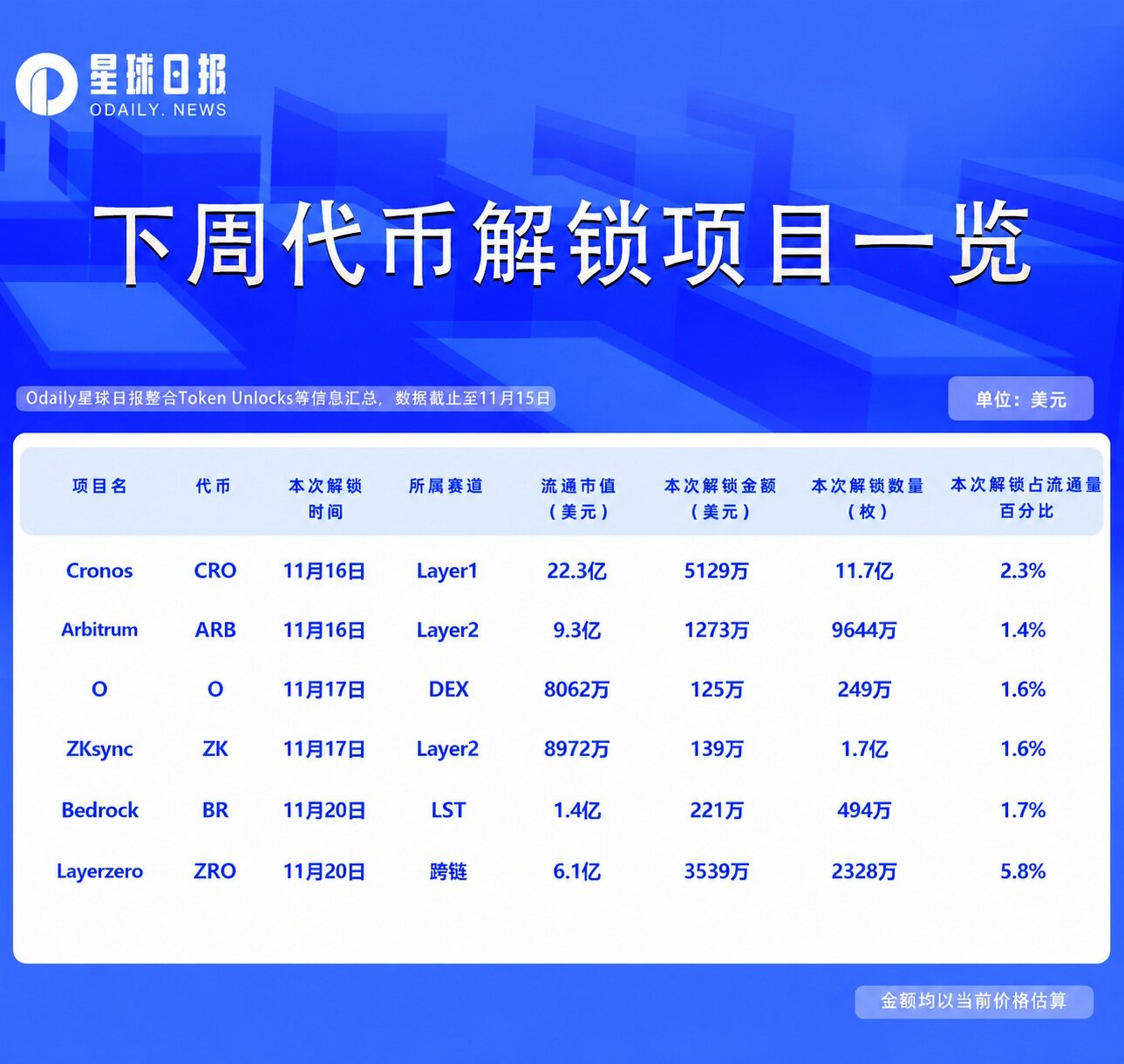
Weekly Token Unlocks: ZRO Releases 5.8% of Circulating Supply
A roundup of token unlocks across major projects this week: Cronos unlocks about 1.17 billion tokens (~$51.29M), Arbitrum releases 96.44 million ARB (~$12.73M), ZKsync unlocks 170 million tokens (~$1.39M), and LayerZero releases 23.28 million ZRO (~$35.39M, or 5.8% of circulating supply). The article profiles each project's positioning and technology and includes detailed release schedules, covering token supply and market impact.
 CROLayerZeroArbitrumCronos
8 hours ago
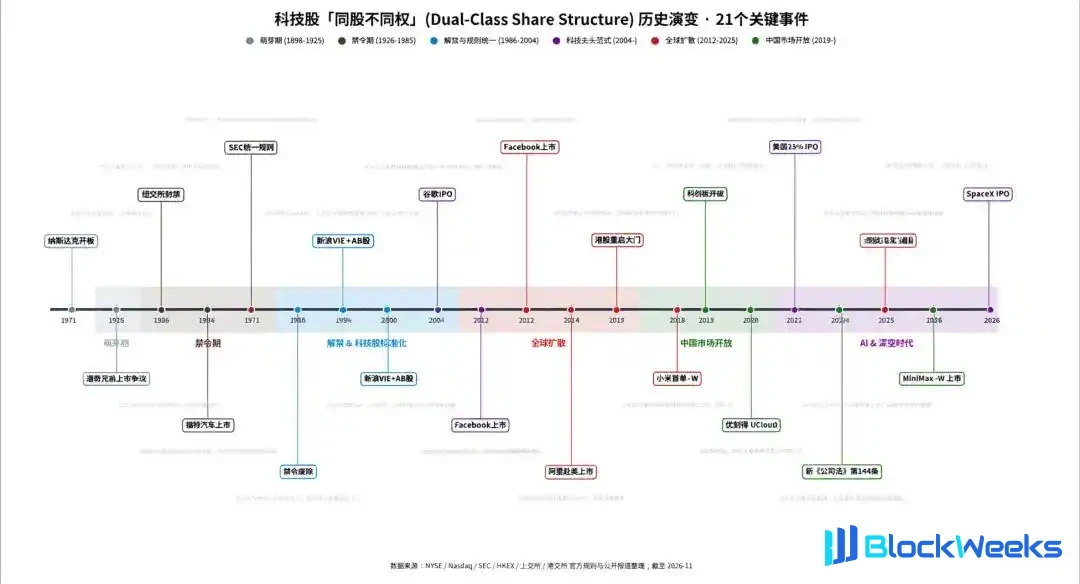
Jensen Huang's Costly Lesson: Going Public Too Soon
Taking Jensen Huang's resignation as Nvidia CEO as its starting point, this article examines how Nvidia's 1999 IPO with a one-share-one-vote structure left him without dual-class super-voting rights. As his stake was steadily diluted to under 4%, he remained subject to board control. Contrasting Google and Meta's dual-class setups and the cases of Jobs and Gates, it shows Huang led for 33 years through performance-driven authority rather than institutional control, and weighs founder protection against external accountability.
8 hours ago
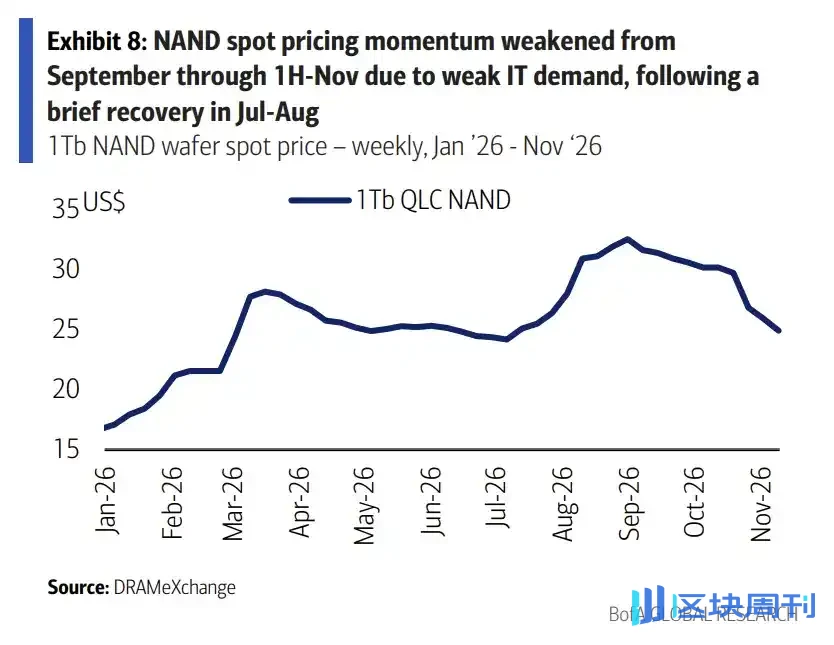
BofA: DRAM Still Holding Firm, NAND Quietly Weakening as Memory Market Diverges
A BofA report dated November 13 notes that the memory chip rally is shifting from broad-based gains to divergence: DRAM pricing logic remains intact, while NAND spot prices have clearly softened, pulling back roughly 20% since mid-to-late October. BofA maintains its forecast of 8% QoQ DRAM price growth in Q4 2026 and 5% in Q1 2027, but takes a cautious view on NAND ASPs in Q1 2027, expecting a low-single-digit decline—diverging from market expectations of over 10% gains. The report also highlights Samsung's conservative 30%-40% HBM share target and the sector's undemanding valuations and improving sentiment.
8 hours ago
XRP Ledger Sets New Benchmark: 1 Billion Secured
The article examines XRP's performance amid a broader market downturn: the price rebounded from $0.89 to $0.96, approaching the $1 mark, while RSI fell into deeply oversold territory near 20 and moving averages diverged sharply, signaling persistent bearish momentum. Meanwhile, on-chain activity on the XRP Ledger surged, with payment volume around 1.1 billion XRP (up 139.9%) and active accounts rising to 42,300 (up 154.5%). However, the author suggests much of this activity may be driven by trading bots or models, reflecting panic-driven transfers to exchanges ahead of selling rather than fundamental demand, making it unlikely to provide meaningful price support.
XRPOn-chain ActivityPayment Volumeoversold RSI21 hours ago
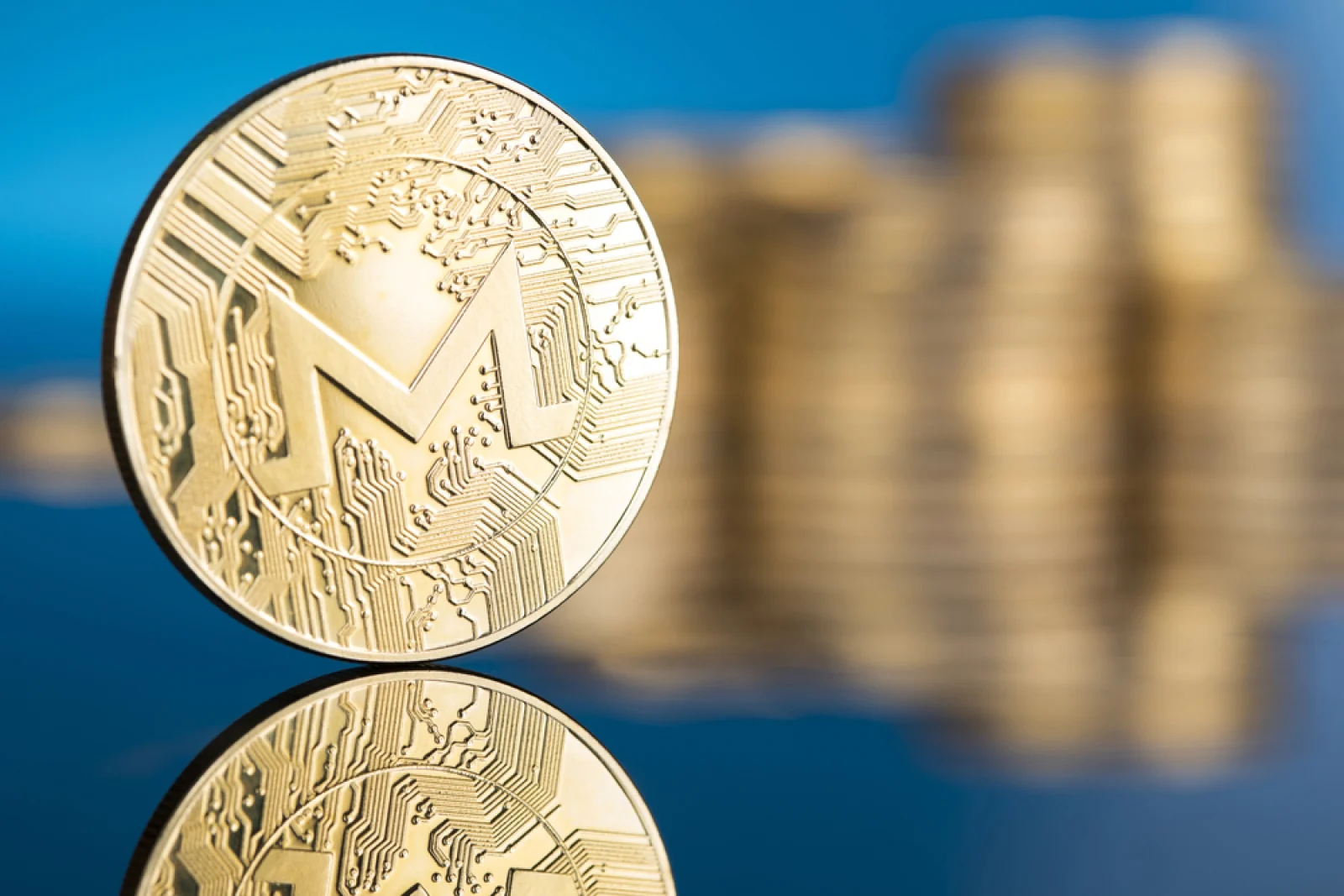
New Monero Privacy Update Could Be on the Way: Here's the Key Fix
A Monero contributor has submitted pull request #11743 to fix a privacy flaw where transactions from Tor and I2P networks could reveal their origin when broadcast. The patch requires nodes to accept anonymous-network transactions only from inbound connections and to enforce a random delay before forwarding them via Dandelion++, while ignoring sender requests for immediate broadcast. This prevents observers from linking transactions to their source anonymity network through timing correlation. The code change is small but significant for users relying on Tor/I2P hidden locations, and a release date has not yet been confirmed.
 XMRpull requestDandelion++Monero
22 hours ago
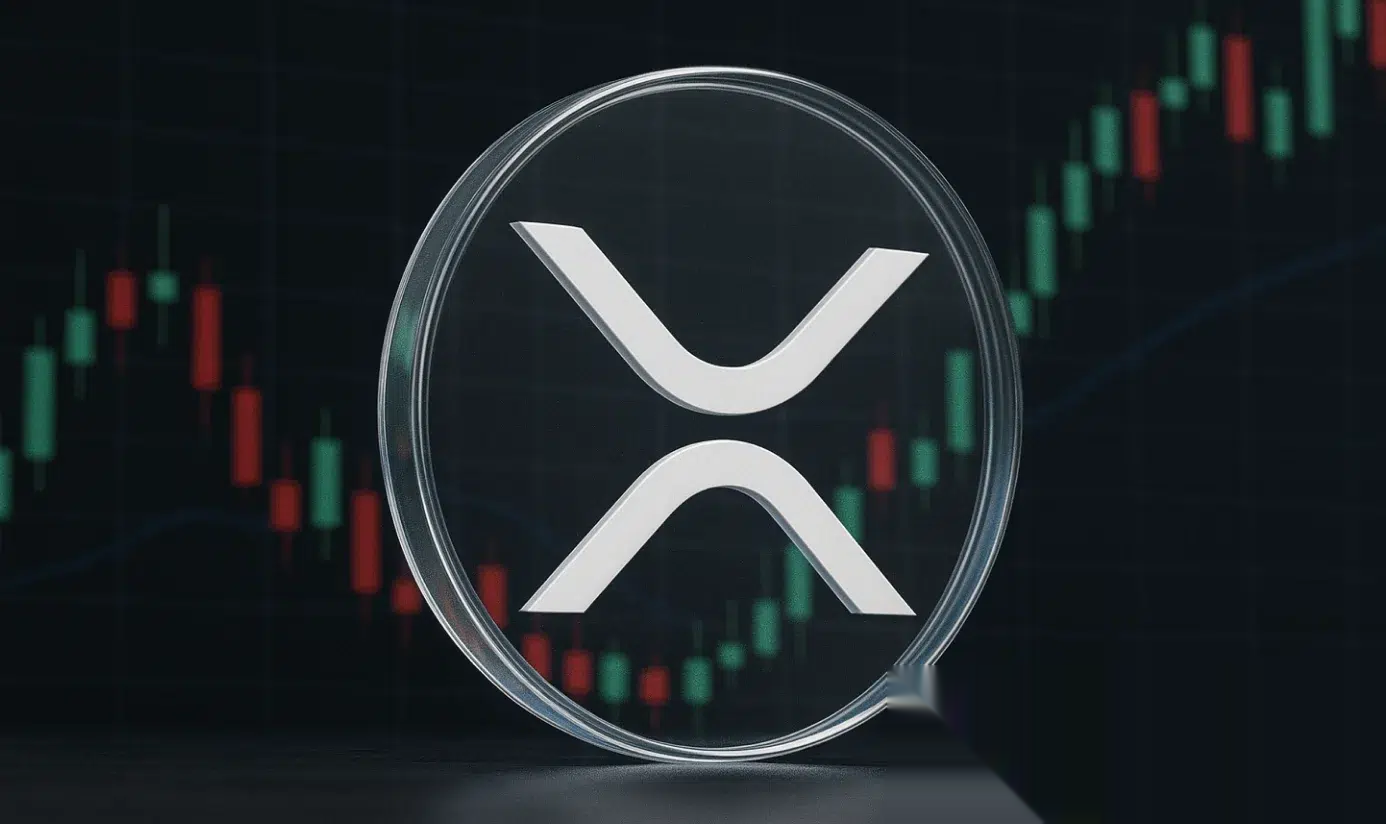
XRP Price Prediction After Breaking $1: Is $0.80 Back on the Table?
This article analyzes XRP's price action after it fell below $1. XRP rebounded to around $0.95 after touching roughly $0.89, but is still down more than 18% over seven days. U.S. spot XRP funds saw net outflows of about $19.13 million, with roughly $47.3 million liquidated in 24 hours, 91% of which were longs, while an RSI near 16.1 signals severe oversold conditions. The article notes that in the short term XRP needs to stabilize in the $0.89 to $1 range; a reclaim of $1 would put $1.05 and $1.10 in focus, while a break below $0.89 to $0.90 could open the door to $0.85 and even the $0.80 level cited by analysts.
XRP2026-11-15