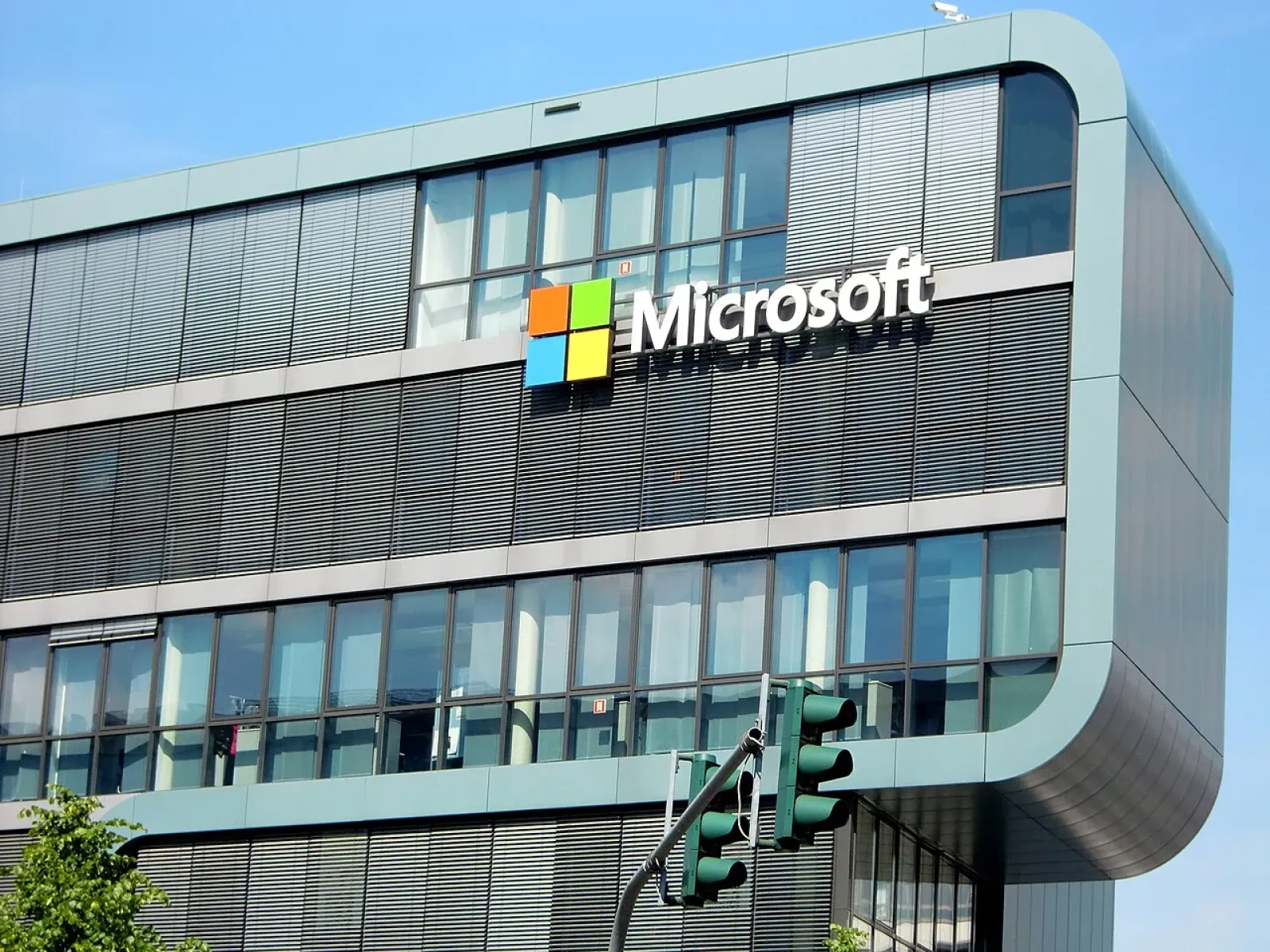
The official X account of tech giant Microsoft was recently hijacked to promote a fraudulent cryptocurrency tied to Clippy, the company's famous virtual assistant that is shaped like a paperclip.
Whoever gained control of the account was busy promoting the so-called $Clippy token by reposting a related account. The fraudulent account has already been suspended by X's team.
Notably, the attack was accompanied by a clever nostalgia trick: Microsoft promised that it would be able to bring Clippy back if it were to accumulate 500,000 likes. The viral bait was, of course, meant to promote the fraudulent token.
It was even ridiculously stated that the scammy Clippy token was paired with Microsoft's own stock (MSTF). Of course, there was no legitimate connection between the two.
It is not clear how exactly the attacker managed to gain access to Microsoft's account. It also has not been disclosed how much the attackers managed to earn with their deceptive campaign.
However, what is absolutely clear is that this campaign was rather clever and creative, given that even Microsoft's own apology appeared to be fake. Shortly after the compromise, the tech giant seemingly distanced itself from the hack via X and threatened bad actors with legal action. However, the post was not published by the company either. This was likely meant to confuse social media followers, making it challenging to determine whether legitimate users have actually regained control.
Earlier attacks
Microsoft's X accounts have been targeted before. For instance, back in June 2024, Microsoft's India X account was hacked to promote Keith Gill, better known online as "Roaring Kitty" of "GameStop" fame. The account was used for advertising a GameStop cryptocurrency pre-sale. Users were being redirected to a website that could potentially drain their wallets. Hence, this attack was more dangerous than the recent incident involving nostalgia-based promotion of a fraudulent token.